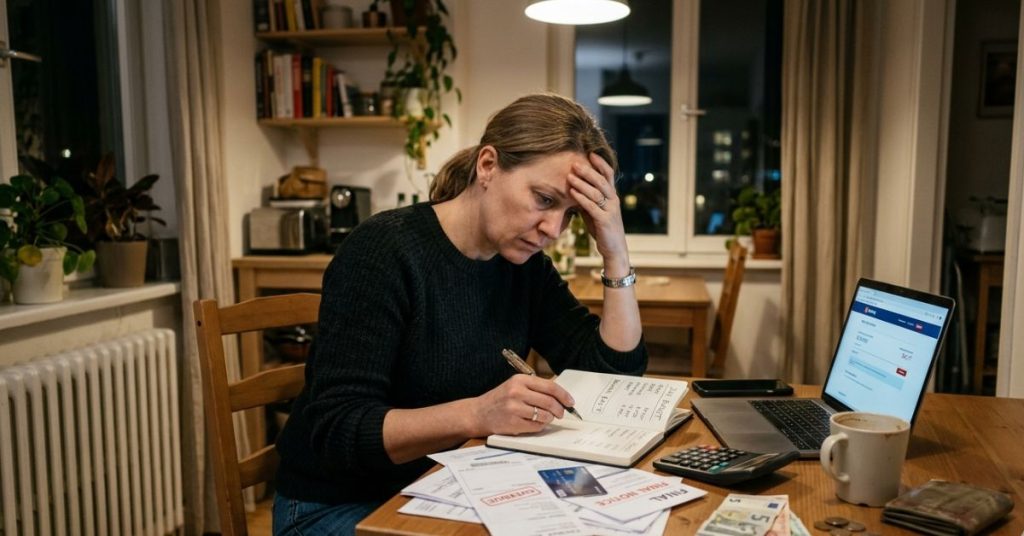
The Hidden Money Habits Keeping You Broke (And How to Fix Them Fast)
Many people believe that being broke is simply a result of low income. While income plays a role, the truth is more uncomfortable: your daily money habits matter just as much—if not more—than how much you earn.
There are people earning high salaries who are constantly struggling financially, and others with modest incomes who steadily build wealth. The difference lies in behavior, not luck.
If you’ve ever wondered why your money disappears before the month ends, this article will help you identify the hidden habits silently draining your finances—and show you how to fix them quickly and effectively.
Why Most People Stay Broke Without Realising It
The biggest financial mistakes are rarely dramatic. They are small, repeated behaviors that feel harmless in the moment but compound over time.
These habits often go unnoticed because:
- They feel normal or socially accepted
- They provide short-term comfort
- They don’t seem significant individually
However, over months and years, they can quietly destroy your financial progress.
1. Spending Without Awareness
The Problem
One of the most common hidden money habits is unconscious spending. This includes:
- Buying small items daily (snacks, takeaways, subscriptions)
- Not tracking expenses
- Swiping your card without thinking
Individually, these purchases seem insignificant. But together, they can consume a large portion of your income.
The Fix
Start with financial awareness:
- Track every expense for 30 days
- Use a simple budgeting method (like 50/30/20)
- Review your bank statements weekly
Fast Action Tip:
Write down everything you spend for the next 7 days. You’ll immediately see patterns you didn’t notice before.
2. Living for Appearances
The Problem
Social pressure can lead to spending money you don’t have:
- Buying expensive clothes to impress others
- Upgrading your phone unnecessarily
- Going out just to “fit in”
This habit is dangerous because it ties your spending to external validation instead of financial reality.
The Fix
Shift your mindset:
- Focus on financial independence, not social approval
- Delay non-essential purchases by 48 hours
- Ask: “Will this matter in 6 months?”
Fast Action Tip:
Unfollow social media accounts that trigger unnecessary spending.
3. Ignoring Budgeting Completely
The Problem
Many people avoid budgeting because they think it’s restrictive or complicated. But without a plan, your money will always control you.
The Fix
Create a simple budget:
- Income
- Fixed expenses (rent, transport, bills)
- Variable expenses (food, entertainment)
- Savings
Budgeting isn’t about restriction—it’s about intentional spending.
Fast Action Tip:
Start with just 3 categories: Needs, Wants, and Savings. Keep it simple.
4. Relying Too Much on Debt
The Problem
Debt can feel like a solution, but it often creates long-term financial pressure:
- Credit cards used for everyday expenses
- Personal loans for lifestyle upgrades
- Buy-now-pay-later habits
Debt reduces your future income because you’re always paying back past decisions.
The Fix
- Stop accumulating new debt
- Prioritize paying off high-interest debt first
- Use cash or debit for daily spending
Fast Action Tip:
List all your debts today. Seeing the total clearly can motivate immediate change.
5. Not Having an Emergency Fund
The Problem
Unexpected expenses—medical bills, car repairs, job loss—can destroy your finances if you’re unprepared.
Without an emergency fund, people often:
- Go into debt
- Sell important assets
- Fall behind on essential payments
The Fix
Build a safety net:
- Start with a goal of R1,000
- Gradually increase to 3–6 months of expenses
Fast Action Tip:
Save a small fixed amount weekly—even R50 is a start.
6. Emotional Spending
The Problem
Spending money to cope with emotions is a hidden but powerful habit:
- Shopping when stressed
- Eating out when bored
- Buying things to feel better
This creates a cycle where spending temporarily relieves stress but worsens financial pressure.
The Fix
Replace emotional spending with healthier habits:
- Exercise
- Talking to someone
- Journaling
Fast Action Tip:
Pause before buying and ask: “Do I need this, or am I reacting emotionally?”
7. Avoiding Financial Education
The Problem
Many people avoid learning about money because it feels complicated or intimidating. This leads to:
- Poor financial decisions
- Missed opportunities
- Dependence on others for advice
The Fix
Commit to learning:
- Read basic personal finance articles
- Watch educational videos
- Follow trusted financial resources
Fast Action Tip:
Spend 10 minutes daily learning about money. Consistency matters more than intensity.
8. Not Investing Early
The Problem
Waiting too long to invest is one of the biggest financial mistakes. Many people think investing is only for the wealthy.
The Fix
Start small:
- Invest regularly, even small amounts
- Focus on long-term growth
- Understand basic concepts like compound interest
Fast Action Tip:
Start investing with what you can afford—consistency beats timing.
9. Having No Clear Financial Goals
The Problem
Without goals, money gets spent without direction. You may feel busy financially but make no real progress.
The Fix
Set clear goals:
- Short-term (saving for a device or trip)
- Medium-term (buying a car)
- Long-term (financial independence)
Fast Action Tip:
Write down one financial goal you want to achieve in the next 6 months.
10. Thinking Small About Money
The Problem
A limiting mindset can keep you stuck:
- Believing you’ll always struggle
- Thinking wealth is only for others
- Avoiding opportunities
The Fix
Shift your thinking:
- Focus on growth and opportunities
- Learn income-generating skills
- Explore side hustles
Fast Action Tip:
Identify one skill you can start learning that could increase your income.

How to Fix Your Money Habits Fast: A Simple Plan
If you want quick improvement, follow this 5-step system:
1. Track Your Spending
Awareness is the first step to control.
2. Cut Unnecessary Expenses
Identify and remove wasteful spending immediately.
3. Create a Basic Budget
Give every rand a purpose.
4. Build an Emergency Fund
Protect yourself from financial shocks.
5. Start Growing Your Income
Look for ways to earn more—not just save.
Why Fixing Your Money Habits Matters
Improving your financial habits doesn’t just affect your bank account—it transforms your life:
- Less stress
- More freedom
- Better opportunities
- Long-term security
Small changes today can create massive results over time.
Final Thoughts
Being broke is often not about a lack of money—it’s about hidden habits that quietly drain your finances.
The good news is that these habits can be changed. You don’t need a high salary to start improving your financial life. You need awareness, discipline, and consistent action.
Start small. Stay consistent. And most importantly, take control of your money before it controls you.
Frequently Asked Questions (FAQs)
1. What are the most common money habits that keep people broke?
The most common include unconscious spending, relying on debt, emotional spending, and not budgeting.
2. How can I fix bad money habits quickly?
Start by tracking your expenses, creating a simple budget, and cutting unnecessary spending immediately.
3. Is budgeting really necessary?
Yes. Budgeting helps you control your money, plan for the future, and avoid financial stress.
4. How much should I save each month?
Aim for at least 10–20% of your income, but start with what you can afford and increase gradually.
5. Can I improve my finances with a low income?
Yes. While income matters, managing your money wisely and building good habits can significantly improve your financial situation.